All Categories
Featured
Table of Contents
- – Harmony SoCal Insurance Services
- – Understanding High-Risk Occupation Life Insurance
- – Which Occupations Face High-Risk Classificatio...
- – Building Trades and Industrial Labor Positions
- – Roofing & Structural Workers in Earthquake Z...
- – High-Voltage & Power Distribution Professionals
- – Emergency & Rescue Professions
- – Wildland Fire Personnel
- – Peace Officers and Paramedics
- – Aviation and Transportation Professions
- – Aviators & Cabin Crew
- – How Do High-Risk Jobs Affect Underwriting and ...
- – Rating Tables Compared to Flat Extras
- – How Table Ratings Increase Costs
- – Flat Extras for Temporary Hazards
- – Personal Elements Boosting Approval Chances
- – Safety Training and Experience
- – Leading Insurers and Coverage Choices for Dang...
- – Term Coverage for Hazardous Professions
- – Affordable High Face Values
- – Decade-to-Three-Decade Coverage Periods
- – Permanent Policies Such as Whole Life and Uni...
- – Cash Value Growth Over Time
- – Simplified & Guaranteed Issue Options
- – Ideal Situations for No-Exam Options
- – California Factors Affecting High-Risk Life In...
- – California Insurance Rules & Evaluation Stand...
- – Transparent Underwriting in the State
- – Regional Risks Impacting Classifications
- – Fire & Earthquake Effects
- – Local Access to Specialists
- – Local Support in Key California Areas
- – Riders and Add-Ons to Enhance Protection
- – ADB Rider for Extra Payouts
- – Payouts for Work-Related Accidents
- – Critical Illness Riders & Premium Waiver
- – Continuity During Healing
- – Comparison of Top Carriers for High-Risk Occup...
- – Common Challenges and How to Overcome Them
- – Handling Rejections & Elevated Rates
- – Using Experts for Improved Results
- – Beyond Employer Group Coverage
- – Transferable Personal Coverage
- – Frequently Asked Questions About Life Insuranc...
- – We Can Help! Contact Us Today.
- – Harmony SoCal Insurance Services
Harmony SoCal Insurance Services
2135 N Pami Circle Orange, CA 92867(714) 922-0043
Harmony SoCal Insurance Services
coverage for dangerous jobs delivers vital financial protection to individuals whose daily duties carry measurably higher risks of serious injury or fatality. In California, roles exposed to seismic, wildfire, heavy machinery, working at elevation, or first-response stress often require customized underwriting to achieve adequate coverage - Hr & Payroll Services Anaheim. This form of policy ensures that loved ones receive a death benefit despite the job itself produces heightened risk, stopping the catastrophic financial consequences that can occur after a occupational tragedy
A large number of people in these roles worry that companies will automatically decline submissions or charge unaffordable extra fees. The truth is much more complex. Carriers assess occupation alongside individual medical background, safety training, years of experience, and protective equipment usage. With the optimal insurer selection, a majority of workers achieve approval at reasonable rates. This resource examines the entire environment of high risk life insurance in California, from job classification and cost adjustments to insurer reviews, add-on features, and practical steps toward eligibility. By understanding these factors, readers can move from confusion to informed judgments that secure dependents for the long haul.
Understanding High-Risk Occupation Life Insurance
Life insurance for high risk occupations is policies created particularly for workers whose roles subject them to elevated death or morbidity risk. Carriers reference industry mortality data, workplace death statistics, and personalized underwriting to set pricing. Rather than denying coverage outright, carriers usually apply premium tables or flat extra premiums to account for the elevated danger level while still providing a death benefit to dependents.
Different from conventional coverage provided to office workers or low-hazard trades, dangerous job life insurance takes into account practical dangers like falls from elevation, contact with hazardous materials, operating heavy equipment, or responding to life-threatening emergencies. The benefit amount stays the core guarantee—financial support for spouses, children, or additional beneficiaries—but the pricing and acceptance process vary.
In California, California regulatory requirements require insurers to explain premium adjustment factors clearly, giving individuals more visibility and rights to challenge versus numerous alternative regions. Employer-provided life coverage via employers commonly falls short for these workers. Workplace policies typically provide just a multiple of one or two base pay and expire right away following leaving the job, retiring, or layoff.
Personal high-risk occupation policies policies stay in force irrespective of employment changes, delivering long-term or extended-duration security that increases alongside dependent obligations. Many workers combine term coverage for substantial coverage levels during highest income periods with permanent options for lifelong security and accumulated value.
Psychological motivators fueling purchasing high-risk profession coverage protection involve the fear of exposing family lacking means in the wake of a sudden loss and the desire to fulfill the duty of breadwinner. From a practical standpoint, the cost justifies itself via mental comfort, earnings protection possibility, debt payoff capability, and wealth transfer value.
Individuals who put off often face elevated rates down the road or risk shortfalls in security throughout professional shifts. For more on complementary protection methods, explore our family insurance options. Get in touch for a free-of-charge review to find out how this policy suits your situation.
Which Occupations Face High-Risk Classification in CA?
High risk occupations for life insurance constitute defined by elevated measurable likelihood of deadly or disabling accident, based on federal and regional statistics from sources like the BLS. In California, geographic and legal factors—seismic zones, fire-prone periods, large-scale public works, and dense urban first-response needs—also shape how carriers assess certain positions. The classification is not about occupation name; carriers review specific responsibilities, workplace setting, safety compliance, and individual record.
Building Trades and Industrial Labor Positions
Construction trades frequently appear on elevated-risk classifications as a result of frequent exposure to falls, being hit by objects, entrapment hazards, and electrical hazards. Steel erectors assembling tall structures, roofers working on steep pitches, and equipment drivers managing bulldozers every one encounter conditions that carriers approach with prudence. State construction regulations demand rigorous protective protocols, yet the inherent physical hazard remains. Individuals who possess OSHA certifications, finish periodic safety training, and record accident-free history commonly receive improved premium modifications than those lacking such proof. Coverage for hazardous building trades stays broadly obtainable with the right method.
Roofing & Structural Workers in Earthquake Zones
Roofing specialists and steel erectors in fault-line regions encounter increased hazard from unstable surfaces and earthquake-induced structural shifts. Carriers evaluate height-safety adherence and structural safety knowledge when assigning premium adjustments. Many workers in these roles achieve moderate protection by highlighting adherence with state construction standards. Dangerous profession insurance for these roles demonstrates attainable when individuals provide strong compliance documentation.
High-Voltage & Power Distribution Professionals
Electricians and powerline workers regularly handle active power lines, ascend utility structures, and perform tasks during adverse weather. Evaluation emphasizes flash hazard, current exposure, and height-related risk. State certification, electrical safety instruction, and arc-rated clothing documentation commonly lead to decreased premium additions. Policies for these positions demonstrates feasible through carriers familiar with power distribution and construction industries.
Emergency & Rescue Professions
Public safety workers face unpredictable dangers ranging from property fires to violent encounters and critical health events. Brush fire specialists in California face intense temperatures, respiratory exposure, prolonged missions, and challenging environments—conditions that increase mortality statistics. Peace officers handle high-speed pursuits, weapon-related incidents, and shift work stress. EMTs and paramedics manage critical incidents during critical timing. Providers familiar with emergency services professions often offer competitive terms when workers present organizational risk data and health maintenance proof.
Wildland Fire Personnel
Fire suppression teams operate in fluid intense-fire conditions with limited escape routes. Providers consider team preparedness, crisis management background, and safety gear usage when determining premium adjustments. Many obtain preferred or close-to-preferred rates through dedicated providers. Firefighter life insurance in CA remains widely available with the right records.
Peace Officers and Paramedics
Police and emergency medical teams encounter diverse dangers necessitating split-second judgments. Underwriting considers department size, response rate, and restraint technique certification. Experience and incident-free history enhance classifications considerably. Policies stays feasible for a majority of professionals in these roles.
Aviation and Transportation Professions
Aviation professionals, including pilots, training pilots, and specific ground support staff, carry hazard from equipment malfunction, meteorological hazards, and high-altitude operations. Transportation roles for example freight drivers or chemical cargo drivers confront vehicle incidents and fatigue-related incidents. Providers assess total flying time, aircraft qualifications, accident history, and regulatory compliance for ground roles. Veteran flight professionals with multi-engine qualifications and spotless safety logs commonly achieve for near-standard or slightly modified conditions.
Aviators & Cabin Crew
Aviators and aircrew encounter high-elevation, system, and atmospheric hazards. Evaluation reviews accumulated air hours, currency requirements, and plane category. Many obtain reasonable pricing with proven compliance logs. Life insurance for high risk occupations supports flight professions effectively.
Job classifications vary by provider, and applicant factors often produce more favorable outcomes. For further information on associated safeguard methods, see high-risk medical coverage options.Contact us for a no-cost review of how your occupation affects policy choices.
How Do High-Risk Jobs Affect Underwriting and Premiums?
Risk assessment for life insurance high risk jobs merges industry death tables, personal health background, lifestyle factors, and safety documentation to establish acceptance and pricing. Providers don’t simply classify a job “dangerous” and cease there; they determine specific risk levels that reflect the extent of increased danger.
The two key methods are table ratings and additional flat fees, each serving different hazard patterns.
Rating Tables Compared to Flat Extras
Table ratings apply proportional adjustments to the base premium—Level 2 adds approximately 50%, Table 4 raises 100%, and higher tables increase correspondingly. Additional flat charges add a fixed dollar amount per thousand dollars of coverage, often temporary and eliminated when the exposure no longer continues. Table ratings fit positions with persistent elevated core danger; fixed extras work best for project-based or removable hazards. A large number of individuals see more affordable effective rates by integrating protective documentation with carrier competition.
How Table Ratings Increase Costs
Table ratings elevate premiums in structured steps. A Level 3 rating may raise rates by approximately 75 percent, but verified professional tenure and instruction can improve the classification or eliminate it completely. Carriers review professional affiliations, OSHA compliance, and incident-free records to fine-tune assignments.
Flat Extras for Temporary Hazards
Additional flat charges offer cost certainty for temporary risks. When danger ends—for example finishing a high-risk project—the fee ends. This approach helps temporary or project-based professionals in hazardous trades. It permits stable financial planning while preserving complete protection.
Personal Elements Boosting Approval Chances
Applicant-specific variables that enhance approval odds include documented protective instruction, professional certifications, years of incident-free service, and regular adherence of protective equipment standards. Insurers regard these as proof of decreased personal risk inside a high-risk category. Workers who submit comprehensive documentation commonly receive better classifications than those counting on job title only.
Safety Training and Experience
Safety training and experience hold significant influence in reviews. Formal programs, for example OSHA 30-hour courses, NFPA certifications, or trade apprenticeships, commonly decrease extras. Providers recognize no-loss documentation and continuous learning, frequently cutting extras by a quarter to half. This approach turns high-risk job coverage budget-friendly.
Knowledge of these mechanisms allows applicants to prepare better submissions. For deeper information into risk assessment, explore how life insurance underwriting works.Ask about customized risk assessment advice customized to your occupation.
Leading Insurers and Coverage Choices for Dangerous Roles
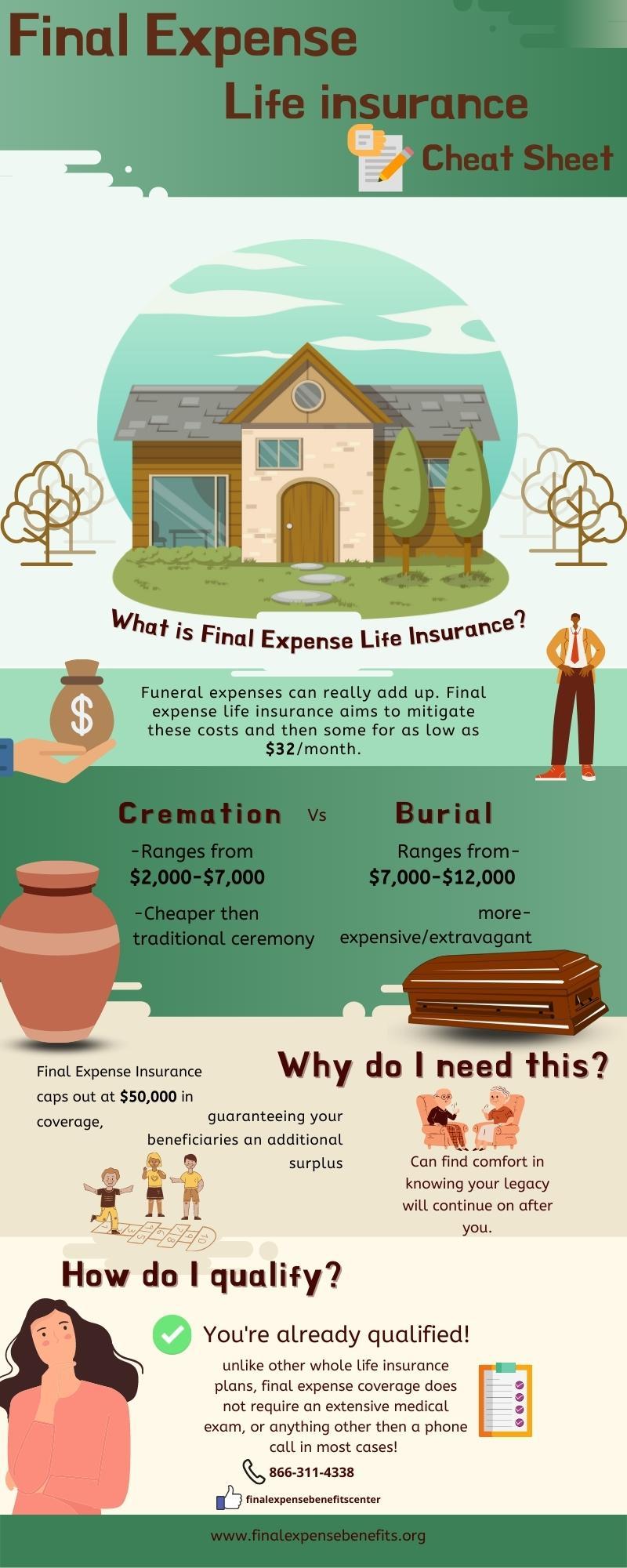
Leading insurers for dangerous professions deliver adaptable underwriting guidelines that support high-risk professions while avoiding excessive restrictions. Term coverage provides high face values during specified terms at more affordable starting premiums, causing it suitable for safeguarding housing debt, education expenses, or income continuity in peak responsibility years. Lifelong coverage options—such as whole life and flexible-premium permanent—deliver enduring coverage plus cash-value accumulation for loan access.
Term Coverage for Hazardous Professions
Temporary life protection works well for individuals requiring significant protection in high-earning and high-obligation stages. Policies range from decade-plus durations, allowing alignment with specific money objectives. Many hazardous-profession workers choose level-premium term plans for predictable budgeting. Insurers experienced in occupational risks offer these plans with manageable surcharges when compliance documentation are strong.
Affordable High Face Values
Affordable high face values make temporary policies attractive for significant coverage needs. Families can obtain substantial amounts in survivor benefit without excessive ongoing expenses, offering a financial cushion throughout prime hazard years.
Decade-to-Three-Decade Coverage Periods
10 to 30-year durations deliver versatility to protect family growth, liability settlement, or housing payoff timeline. Workers opt for durations that correspond to their family timeline, guaranteeing coverage during periods it is most needed.
Permanent Policies Such as Whole Life and Universal Life
Lifelong coverage choices deliver enduring security and cash-value growth. Traditional permanent features fixed premiums and promised accumulation, while flexible-premium permanent allows payment adjustments and adjustable death benefits. These are ideal for extended financial strategy for careers with ongoing uncertainty.
Cash Value Growth Over Time
Cash value accumulation increases without immediate tax, creating a resource for unexpected needs, college savings, or post-career financial boost. It provides economic versatility in addition to standalone payout coverage.
Simplified & Guaranteed Issue Options
No-medical & automatic approval plans emphasize efficiency and straightforwardness. Health-question-only plans require basic health disclosure but no doctor visit; automatic acceptance cover most individuals up to age restrictions. These act as effective alternatives when medical underwriting presents challenges.
Ideal Situations for No-Exam Options
Quick-approval coverage suits individuals looking for quick decisions free from full medical exams. It delivers practical protection when time constraints or existing issues are present.
Carrier comparisons increase effectiveness by identifying the most flexible providers. The team employs over a decade of focused knowledge and established carrier connections to secure coverage that alleviate worry about dependent exposure while providing logical, cost-effective, independent safeguard. For further insurer insights, check companies we work with.Contact us for a no-cost carrier comparison.
California Factors Affecting High-Risk Life Insurance
California’s insurance regulations and local hazards particularly impact high risk life insurance in California. California insurance authority guarantees open communication of classification criteria, preventing arbitrary decisions and promoting just availability to protection. Local risks—seismic activity, wildfires, high-density city emergency needs—add nuance to evaluation for specific professions.
California Insurance Rules & Evaluation Standards
California insurance laws mandate insurers to explain premium adjustment reasons and provide review mechanisms. This openness assists individuals grasp classification rationale and appeal mistakes. It promotes justice among various roles, such as dangerous jobs.
Transparent Underwriting in the State
Transparent practices make certain applicants receive complete classification information. This structure lowers unexpected outcomes and enables well-considered judgments across the application process.
Regional Risks Impacting Classifications
Local hazards cover seismic building areas and annual fire seasons influencing first responders. Providers modify for these hazards, but targeted providers often provide favorable rates by acknowledging protective systems in California.
Fire & Earthquake Effects
Wildfire and seismic influences create additional layers to classifications for affected occupations. Insurers consider state-specific risk controls and instruction, with a large number of approvals happening through targeted carrier matching.
Local Access to Specialists
Local access to experts facilitates reviews, application submission, and follow-up. Service extends in Inland Empire, Riverside, and surrounding areas. Proximity helps tailored assistance.
Local Support in Key California Areas
Coverage throughout these areas provides easy access for workers in high-risk professions. It supports faster processing and regional knowledge.
Regional expertise yields superior outcomes. For complementary retiree safeguards methods, see retiree coverage plans.Reach out for local guidance.
Riders and Add-Ons to Enhance Protection
Add-ons for dangerous professions customize base policies to handle specific vulnerabilities intrinsic in dangerous roles. The accidental death & dismemberment add-on increases the benefit amount when death arises from a covered accident, offering extra financial support for events frequent in dangerous work settings.
ADB Rider for Extra Payouts
The accidental death add-on usually triples or greatly enhances the death benefit for covered incidents. It provides specific peace of mind for positions involving machinery, elevated work, or crisis situations. Many professionals consider this add-on vital for comprehensive protection against occupational hazards.
Payouts for Work-Related Accidents
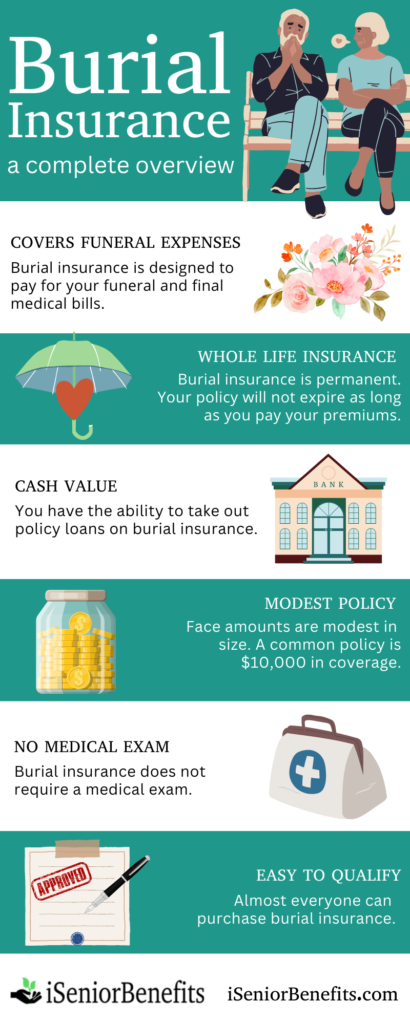
Coverage for job-related incidents ensures increased financial protection in dangerous work scenarios. It complements the core survivor benefit and aligns with the unique dangers of high-risk careers.
Critical Illness Riders & Premium Waiver
Major illness benefits deliver a cash benefit following identification of insured diseases such as, stroke. Hr & Payroll Services Anaheim. Waiver of premium maintains protection in force without ongoing payments amid long-term incapacity. These riders protect ongoing protection when health setbacks reduce income potential
Continuity During Healing
Support during recovery stops policy lapse amidst earnings loss. This benefit proves valuable in professions susceptible to injury or long-term absence.
Strategic add-ons build strong security measures. Our team leverages industry expertise to suggest riders that correspond with occupational realities and provide real-world enhancements. For further information regarding serious illness benefits, check major diagnosis protection resource.Ask about rider customization.
Comparison of Top Carriers for High-Risk Occupations
Carrier strengths differ considerably in handling high-risk job coverage. Transamerica Life often extends competitive rates to first responders, military personnel, and refinery workers. Fidelity Life accommodates wide range of dangerous roles through personalized evaluations. Aflac Insurance focuses on additional benefits for first responders, Ethos Life accelerates quick-approval processes, and specialty carriers customize policies for flight professions, construction, and logging.
This carrier frequently leads due to attractive premiums and acceptance of California-relevant roles. Alternative carriers deliver versatile evaluation that accommodates different job tasks. Comparisons assist select the best fit for personal circumstances and hazard patterns.
Detailed evaluations reveal the most favorable options. For further policy details, explore affordable term coverage. Reach out for a complimentary carrier review.
Common Challenges and How to Overcome Them
Applicants for dangerous job coverage commonly face first-time refusals, high initial quotes, or reliance on insufficient workplace benefits. These hurdles stem from conventional evaluation criteria instead of unbeatable blockades. Expert carrier matching, complete information, and focus on mitigating factors resolve a majority of issues.
Handling Rejections & Elevated Rates
Dealing with denials or high premiums becomes easier dramatically through broad carrier shopping and detailed safety documentation. Persistence and professional support often produce approvals where one-off submissions are unsuccessful. Numerous individuals achieve protection after early challenges by submitting more compelling records.
Using Experts for Improved Results
Shopping specialists connects workers with providers knowledgeable about high-risk profiles. This approach often obtains coverage inaccessible through conventional routes. It produces improved terms and quicker acceptances.
Beyond Employer Group Coverage
Moving past workplace group plans requires securing standalone individual policies that stay in force regardless of job transitions. These deliver larger death benefits and permanent protection. Standalone coverage deliver enhanced long-term value for dangerous-job professionals.
Transferable Personal Coverage
Transferable personal coverage maintain advantages through professional shifts. They offer consistency and larger death benefits compared to workplace benefits, making certain security regardless of employment situation.
The majority of obstacles have proven resolutions. For complementary disability protection, explore income protection guide.Receive customized advice on your unique needs.

Frequently Asked Questions About Life Insurance for High-Risk Occupations
What jobs are high risk for life insurance?
Heavy labor occupations (roofers, steel erectors), first responders (wildland fire crews, law enforcement, EMTs), aviators, logging workers, underground workers, oil rig personnel, and marine workers often are assigned dangerous designations due to elevated fatality rates recorded by Bureau of Labor Statistics. California-specific exposures like wildfire firefighting or fault-line work further influence ratings. Carriers review actual duties and safety measures rather than job names by themselves, so documented protocols frequently produce better rates. Specialist guidance assists select accommodating carriers efficiently. Get details about life insurance underwriting.
Is life insurance possible for hazardous professions?
Yes, policies remains available for most hazardous professions through tailored dangerous profession policies designed exclusively for these roles. Insurers like Transamerica Life deliver attractive pricing for wildland crews, while others offer flexible underwriting. Complete transparency paired with incident-free history enhances approval likelihood considerably. Standalone coverage surpass workplace benefits through being transferable and providing larger benefits. Learn more about family term protection for more details.
How much extra do high-risk jobs cost?
Premium increases vary by risk level—table ratings raise a range of 25-150% or more, while additional flat charges go from $2.50 to $10 per thousand of coverage, often provisional. Construction workers typically face moderate surcharges, more dangerous positions like forestry work encounter greater surcharges. Personal factors and provider comparison decrease effective rates considerably. Expert comparisons secure the best terms. Explore premium reduction tips for related advice.
Top carriers for hazardous job coverage?
Best carriers feature Transamerica for favorable firefighter and military terms, Fidelity Life for extensive high-risk acceptance, Supplemental Aflac for rider-focused coverage, Ethos for easy-issue pathways, and targeted providers for aviation or construction. Broad provider selection through knowledgeable professionals offers the widest selection and strongest alignments. Explore companies we work with.
Does profession influence life insurance costs?
Job role directly influences rates via risk classification systems drawn from death statistics. How occupation affects life insurance premiums varies by responsibilities, with protective protocols and experience commonly lowering adjustments. Transparent applications and expert representation ensure fair, just rates. For deeper knowledge, review life insurance underwriting explained.
What riders for risky jobs?
Accidental death add-on delivers increased death benefit for work-related fatalities. No-premium-during-disability add-on maintains coverage throughout incapacity. Major illness benefits protect against critical conditions. These affordable supplements customize coverage to job hazards (Hr & Payroll Services Anaheim). Explore further in the major diagnosis protection resource
Is construction a high risk job for life insurance?
High-risk construction occupation coverage frequently includes extras because of falls, being hit by objects, and equipment hazards, compounded by state earthquake risks. Many obtain fair premiums with experience and protective evidence. Explore family insurance for additional security.
Can firefighters get life insurance?
First responders obtain protection, with providers like this provider delivering favorable rates for brush fire and structural roles. Add-ons enhance protection for hazardous conditions. Explore accident insurance for additional protection.
Steps to approval for high-risk occupation coverage?
Submit full occupation information, protective credentials, and medical profile. Expert brokers pair applicants with accommodating carriers, boosting success rates through strategic carrier selection. Visit how we work for additional details.
What defines a high-risk occupation?
Roles featuring elevated work, enclosed areas, explosives, extreme weather, or fast-moving equipment are classified based on industry risk data and insurer standards. For related topics, see LTC protection.
We Can Help! Contact Us Today.
Options for high-risk job coverage deliver genuine security that addresses major worries about loved ones’ risk in the wake of an tragedy. Concern of financial hardship drives many to seek protection, while emotional reassurance, met obligations, and reduced anxiety offer significant affective gains. Rationally, personal plans surpass limited workplace coverage with portability, greater coverage amounts, competitive risk assessment, through professionals, and thoughtful supplements that support premiums with long-term safeguards.
Client feedback demonstrate real outcomes: “The team explained everything transparently and secured protection that matched my heavy labor needs exactly.” – Robert T., Orange County. “Acceptance came quicker than thought, with rates that worked within the monthly expenses.” – Jessica M., Riverside. “Specialist support made the experience stress-free and secured the perfect plan for my emergency services position.” – Matthew K., Inland Empire.
Harmony SoCal Insurance Services, 2135 N Pami Cir, Orange, CA 92867, (714) 922-0043, helps California workers in hazardous professions with dependable, affordable dangerous profession policies. With extensive knowledge, qualifications, and a results guarantee, the organization regularly provides results that satisfy affective protection desires while providing logical, family-focused protections.
Harmony SoCal Insurance Services functions as a reliable ally for professional life insurance for high risk occupations in California. Experienced specialists focus in dangerous role protection, providing reliable outcomes. Regardless of whether in heavy labor, air transport, first response, or additional high-risk careers, the professionals has supported diverse professionals with precision and care. Easily accessible near key highways in Southern California, coverage extends adjacent areas. No-obligation reviews provide no-obligation estimates. With a extensive tenure of experience and a satisfaction guarantee, the priority remains on making certain dependent safeguards lasts. Let Harmony SoCal Insurance Services provide the confidence your situation demands. For quick support, visit reach out.
Get Your High-Risk Occupation Quote Today
Harmony SoCal Insurance Services
Address: 2135 N Pami Circle Orange, CA 92867Phone: (714) 922-0043
Email: [email protected]
Harmony SoCal Insurance Services
Best Health Insurance Plans For Self Employed Anaheim, CA
Senior Solutions Insurance Anaheim, CA
Best Private Health Insurance Plans Anaheim, CA
Senior Insurance Services Anaheim, CA
Human Resources And Payroll Services Anaheim, CA
Best Health Insurance Plans For Self Employed Anaheim, CA
Insurance Seniors Anaheim, CA
Company Health Insurance Plans Anaheim, CA
Best Payroll Service Anaheim, CA
Payroll Service Companies Anaheim, CA
Final Expense Insurance For Seniors Anaheim, CA
Employee Benefits Service Anaheim, CA
Best Private Health Insurance Plans Anaheim, CA
Cheap Term Insurance For Seniors Anaheim, CA
Contractor Payroll Services Anaheim, CA
Best Payroll Service Anaheim, CA
Payroll Service Companies Anaheim, CA
Funeral Insurance For Seniors Anaheim, CA
Funeral Insurance For Seniors Anaheim, CA
Insurance Seniors Anaheim, CA
Final Expense Insurance For Seniors Anaheim, CA
Term Insurance For Senior Citizens Anaheim, CA
Insurance Seniors Anaheim, CA
Best Private Health Insurance Plans Anaheim, CA
Hr & Payroll Services Anaheim, CA
Health Plan Insurance Anaheim, CA
Cheap Medicare Supplement Plans Anaheim, CA
Medicare Advantage Insurance Agent Anaheim, CA
Final Expense Insurance For Seniors Anaheim, CA
Cheap Term Insurance For Seniors Anaheim, CA
Near Seo Packages Anaheim, CA
Near My Location Seo Companies Anaheim, CA
Harmony SoCal Insurance Services
Senior Solutions Insurance Anaheim, CA
Dental And Vision Insurance For Seniors Anaheim, CA

Table of Contents
- – Harmony SoCal Insurance Services
- – Understanding High-Risk Occupation Life Insurance
- – Which Occupations Face High-Risk Classificatio...
- – Building Trades and Industrial Labor Positions
- – Roofing & Structural Workers in Earthquake Z...
- – High-Voltage & Power Distribution Professionals
- – Emergency & Rescue Professions
- – Wildland Fire Personnel
- – Peace Officers and Paramedics
- – Aviation and Transportation Professions
- – Aviators & Cabin Crew
- – How Do High-Risk Jobs Affect Underwriting and ...
- – Rating Tables Compared to Flat Extras
- – How Table Ratings Increase Costs
- – Flat Extras for Temporary Hazards
- – Personal Elements Boosting Approval Chances
- – Safety Training and Experience
- – Leading Insurers and Coverage Choices for Dang...
- – Term Coverage for Hazardous Professions
- – Affordable High Face Values
- – Decade-to-Three-Decade Coverage Periods
- – Permanent Policies Such as Whole Life and Uni...
- – Cash Value Growth Over Time
- – Simplified & Guaranteed Issue Options
- – Ideal Situations for No-Exam Options
- – California Factors Affecting High-Risk Life In...
- – California Insurance Rules & Evaluation Stand...
- – Transparent Underwriting in the State
- – Regional Risks Impacting Classifications
- – Fire & Earthquake Effects
- – Local Access to Specialists
- – Local Support in Key California Areas
- – Riders and Add-Ons to Enhance Protection
- – ADB Rider for Extra Payouts
- – Payouts for Work-Related Accidents
- – Critical Illness Riders & Premium Waiver
- – Continuity During Healing
- – Comparison of Top Carriers for High-Risk Occup...
- – Common Challenges and How to Overcome Them
- – Handling Rejections & Elevated Rates
- – Using Experts for Improved Results
- – Beyond Employer Group Coverage
- – Transferable Personal Coverage
- – Frequently Asked Questions About Life Insuranc...
- – We Can Help! Contact Us Today.
- – Harmony SoCal Insurance Services
Latest Posts

San Dimas Web Designers

Web Design Firm Walnut

Internet Marketing For Contractors West Covina
More
Latest Posts
San Dimas Web Designers
Web Design Firm Walnut
Internet Marketing For Contractors West Covina