All Categories
Featured
Table of Contents
- – Innovative Senior Care
- – What Is In-Home Hearing Care and How Does It H...
- – Understanding Age-Related Hearing Loss (Presb...
- – Common Signs in Daily Routines
- – Why Communication Breaks Down at Home
- – Non-Medical vs Device-Focused Approaches
- – Benefits of Caregiver-Led Support
- – Who Benefits Most from At-Home Assistance
- – How Does Hearing Loss Impact Daily Communicati...
- – Emotional Effects Like Isolation and Frustration
- – Links to Social Withdrawal
- – Impact on Family Dynamics
- – Practical Challenges in the Home Environment
- – Missing Alarms, Phones, or Conversations
- – Long-Term Risks if Untreated
- – What Are Effective Communication Strategies fo...
- – Face-to-Face Techniques and Visual Cues
- – Positioning and Lighting Tips
- – Clear Speech Without Shouting
- – Reducing Background Noise for Better Clarity
- – Home Environment Adjustments
- – Using Gestures and Written Aids
- – Technology-Free Tools That Work
- – Daily Practice Routines for Consistency
- – How Can In-Home Hearing Care Improve Home Safe...
- – Addressing Missed Auditory Cues
- – Door Bells, Smoke Alarms, and Emergency Calls
- – Fall Prevention Through Awareness
- – Integrating Wellness Checks and Mobility Support
- – Daily Safety Monitoring
- – Home Modification Ideas Without Major Changes
- – What Role Do Caregivers Play in Supporting Hea...
- – Personalized Daily Living Assistance
- – Companionship During Conversations
- – Medication and Routine Reminders
- – Emotional and Social Engagement Support
- – Preventing Loneliness Through Activities
- – Family Caregiver Relief and Training
- – Coordinating with Other Senior Needs
- – In-Home Hearing Care vs Traditional Clinic App...
- – Convenience and Accessibility Factors
- – No Travel Required
- – Personalized Home Environment
- – Focus on Communication Over Devices
- – Non-Medical Strategies
- – Cost and Time Savings
- – Flexible Scheduling
- – Long-Term Outcomes and Satisfaction
- – Real Stories: How Families in Coachella Valley...
- – Testimonials from Local Families
- – Measurable Improvements in Daily Life
- – Common Concerns About In-Home Hearing Care and...
- – Is It Expensive or Time-Consuming?
- – Will It Feel Intrusive?
- – What If We Already Tried Other Options?
- – How Do We Know It Will Work for Our Loved One?
- – Areas We Serve Throughout Coachella Valley Cal...
- – Cities Covered Near the I-10 Freeway
- – Local In-Home Hearing Care Experts Near You
- – Frequently Asked Questions About In-Home Heari...
- – What is in-home hearing care for seniors?
- – How does hearing loss affect communication at...
- – Is in-home hearing care different from hearin...
- – What services help with hearing loss at home?
- – How soon can I see improvements?
- – Do you serve Coachella Valley areas?
- – How to help a senior with hearing loss at home?
- – What causes hearing loss in elderly at home?
- – Best ways to communicate with hearing impaire...
- – Prevent social isolation from hearing loss at...
- – We Can Help! Contact Us Today
- – Innovative Senior Care
Innovative Senior Care
77564 Country Club Dr Ste 228/230 Palm Desert, CA 92211(760) 469-4999
Innovative Senior Care
At-home hearing assistance delivers gentle, non-medical assistance right where seniors are most at ease—their own home—helping them overcome hearing loss obstacles and revive genuine communication with family and friends. Unlike device-focused audiology services, this approach centers on caregiver-supported methods that strengthen everyday conversations, minimize social isolation, and facilitate protected, independent living free from demanding clinic appointments or costly equipment. Adult children seeking for communication help for hearing impaired seniors, non-medical hearing support, or communication help for hearing impaired seniors realize that easy, consistent techniques—such as proper positioning for lip reading, minimizing ambient sounds, and incorporating body language cues—can dramatically enhance quality of life. This comprehensive resource covers effective strategies, protective measures, support provider functions, typical worries, and actual family experiences, giving you actionable guidance for those pursuing hearing loss assistance at home or communication help for hearing impaired seniors.
Hearing difficulties often emerge gradually, causing it difficult to notice until discussions become effortful. A loved one may nod along during dinner but later confess they missed half of what was said. That subtle moment generates a surge of concern—could they withdraw even more? Could little miscommunications escalate into long-term distance? A great number of adult children and spouses experience this subdued ache and begin searching for ways to help free from imposing unwanted medical procedures. In-home hearing care presents a compassionate , effective route forward: customized support that meets seniors right where they are, focusing on communication ease, mental well-being, and daily self-assurance.
What Is In-Home Hearing Care and How Does It Help Seniors Stay Connected?
In-home hearing care offers non-medical assistance right in the home to assist seniors with hearing loss. Support providers highlight conversation techniques, companionship, and straightforward home setting modifications rather than equipment sales or installations. This approach assists seniors engage actively in conversations, decreasing the exhaustion that often goes along with hearing difficulties. It encourages dignity and independence while dealing with the psychological impact of experiencing disconnected.
Understanding Age-Related Hearing Loss (Presbycusis)
Presbycusis is the most common form of hearing loss in older adults, resulting by slow deterioration on the inner ear and auditory nerve. High-pitched sounds become difficult to perceive first, causing speech-heavy dialogue (such as “s,” “th,” or “f”) particularly hard to understand. Over time, this results to common demands for repetition, incorrectly perceived information, and growing reluctance to participate in conversations with multiple people. The National Institute on Deafness and Other Communication Disorders reports that nearly roughly one-third people aged 65–74 and almost half of those 75 and older face severe hearing loss. Timely, steady support prevents these developments from escalating into more profound social and emotional consequences.
Common Signs in Daily Routines
Observe for patterns such as increasing the television volume unusually high, struggling to follow phone conversations, or often asking “what?” during regular-volume talks. These habits often appear first in known home spaces where ambient sounds from devices or family interactions competes with speech. Spotting these initial clues allows families to implement helpful methods prior to withdrawal becomes routine.
Why Communication Breaks Down at Home
Home spaces present unique difficulties: echoing hallways, conflicting sounds from kitchens or televisions, and uneven lighting that hides lip-reading cues. Seniors may be unaware how much they unconsciously rely on visual information to support hearing. When these helps are missing or inconsistent, even basic exchanges feel tiring, contributing to reduced conversations and limited participation.
Non-Medical vs Device-Focused Approaches
Conventional audiology services focus on assessments and hearing aid customizations, which are extremely valuable for many but require regular office visits and calibration periods. In-home hearing care follows a distinct path, concentrating entirely on behavioral adaptations, caregiver training, and residence-tailored changes. This non-device model steers clear of equipment sales and alternatively creates sustainable patterns that boost natural communication and emotional well-being.
Benefits of Caregiver-Led Support
Support-provider-guided assistance delivers instant psychological comfort—seniors perceive valued rather than “fixed”. Families share noticeable improvements in emotional state and engagement quickly, as loved ones recover assurance in conversational situations. The method is versatile, cost-effective, and fully incorporated into everyday life.
Who Benefits Most from At-Home Assistance
Seniors who prefer to age in place, those with limited mobility, older adults with moderate-level hearing loss, and relatives looking for non-clinical solutions gain the greatest advantages. This support system is particularly valuable for people who regard clinic appointments overwhelming or logistically problematic, offering customized help that honors autonomy while resolving communication barriers effectively.
Many families discover that in-home hearing care changes everyday experiences—dinners, calls, narrative sharing—into moments for connection again. The priority remains on honor, consideration, and natural exchange.
Contact us for a complimentary consultation to learn about how these techniques can work in your home. Discover our full range of senior care services in Palm Desert.
How Does Hearing Loss Impact Daily Communication and Family Life?
Hearing loss goes far beyond the sense of hearing—it subtly changes relationships, household dynamics, and routine assurance. When words feels unclear or challenging, conversations shorten, confusions increase, and engagement diminishes. These shifts affect more than the individual but all members sharing space in the home, generating a cycle of annoyance and disengagement that can intensify over time.
.jpg?rev=4a284bab13014abd80a33a9cfa838f28)
Emotional Effects Like Isolation and Frustration
Frequent confusions create irritation. Over months, many seniors begin to eschew social situations entirely to escape the awkwardness of struggling to follow. This withdrawal often contributes in profound solitude, as long-enjoyed functions—elder advisor—fade. Mental well-being deteriorates when closeness appears out of reach.
Links to Social Withdrawal
Unmanaged hearing loss substantially raises the likelihood of disconnection. Older adults may turn down invitations, bypass community events, or limit phone contact, progressively diminishing their world. The emotional toll compounds as moments for joy, laughter, and connection grow rarer.
Impact on Family Dynamics
Adult children often find themselves repeating information calmly but feel helpless. Spouses lack shared humor. Brothers and sisters argue over who should manage the challenge. These dynamics strain connections that formerly seemed easy.
Practical Challenges in the Home Environment
Everyday home auditory cues—mixers, entry alerts, media, family activity—compete with speech. Spaces with echo-prone materials create reverberations that additionally degrade incoming sound.
Missing Alarms, Phones, or Conversations
Essential sound cues go unnoticed: fire detectors, doorbells, phone rings. These misses generate hazards and add daily stress for family members and seniors alike.
Long-Term Risks if Untreated
Ongoing hearing difficulties are associated with higher fall risk, brain health issues, and emotional distress. Early assistance interrupts this development, preserving both physical safety and brain clarity.
Recognizing these far-reaching effects motivates families to act. Hearing loss assistance at home presents practical, compassionate approaches to revive equilibrium and closeness.
If these situations appear familiar, contact us to explore supportive paths. Explore more about our background and mission.
What Are Effective Communication Strategies for Hearing Loss at Home?
Effective communication strategies for hearing loss at home revolve on creating conditions where speech is received clearly and naturally. Caregivers teach these methods progressively, enabling seniors and families build routines that decrease strain and increase reciprocal understanding.
Face-to-Face Techniques and Visual Cues
Direct eye contact and unobstructed sight of the talker’s expression aid comprehension. Hand movements support spoken words. These basics establish the base of effective communication, making exchanges more intuitive.
Positioning and Lighting Tips
Position chairs so facial features are brightly visible without dark areas or excessive light. Natural outside illumination or adjustable lamps assist lip-reading. Prevent light from behind that silhouettes speakers, making sure visibility enhances comprehension.
Clear Speech Without Shouting
Communicate at a standard intensity but with intentional enunciation. Reduce your speed a bit and pause between thoughts. Yelling alters sound and can feel disrespectful—distinctness at normal volume functions far superior.
Reducing Background Noise for Better Clarity
Silence interfering sounds during essential discussions. Close openings to prevent corridor noise. Picking less noisy areas for dining or visits significantly enhances speech intelligibility.
Home Environment Adjustments
Place carpets or soft furnishings in resonant spaces to dampen sound bounce. Adjust furniture so conversation zones are distant from noisy hallways. Simple acoustic changes generate substantial benefits.
Using Gestures and Written Aids
Basic movements support key words. Have a pad or big-letter list nearby for details. These low-tech assists provide consistent support when spoken understanding falters.
Technology-Free Tools That Work
Big-font lists or visual cards deliver messages. They give fast, efficient help without introducing technical equipment that may confuse.
Daily Practice Routines for Consistency
Set aside short periods daily for concentrated talk practice. Review the day’s events, relate a memory, or read together jointly. Regular practice builds both skill and self-assurance.
Professionals with profound background in elder support apply these techniques with care and precision. Households experience emotional relief through restored dialogue and real-world effectiveness from residence-centered execution. See our full range of support.
Prepared to implement these strategies into your regular schedule? Contact us for a complimentary consultation.
How Can In-Home Hearing Care Improve Home Safety for Seniors?
In-home hearing care reaches well beyond conversation—it immediately improves home protection by resolving auditory gaps that add to household accidents and unnoticed critical situations. Support providers merge awareness training with daily oversight to establish a safer living environment.
Addressing Missed Auditory Cues
Seniors commonly miss common audio signals that signal possible hazards—visitor signals, kitchen alerts, fire alarms, or a family member summoning from different area. Assistants introduce non-auditory signals that compensate effectively.
Door Bells, Smoke Alarms, and Emergency Calls
Set up flashing light alerts for doorbells and alarms, or use shaking devices for phone calls. Caregivers show proper responses, developing muscle memory for rapid, confident action.
Fall Prevention Through Awareness
Hearing loss frequently coexists with equilibrium issues. Caregivers support visual checking—observing before moving—and combine sound perception gaps with eyesight-based precautions to lower accident likelihood.
Integrating Wellness Checks and Mobility Support
Routine check-ins allow caregivers to identify developing risks—cluttered walkways, inadequate light, loose rugs—and fix them proactively. Walking help provides steady and confident movement around the house.
Daily Safety Monitoring
Caregivers monitor habits and note changes—such as slower response times or pausing in specific zones—then adjust assistance programs accordingly to ensure protection.
Home Modification Ideas Without Major Changes
Simple changes like brighter lighting, contrasting tape on steps, or identified buttons provide visual cues. These affordable modifications substantially improve navigation and lower risk of falls.
Proactive safety measures deliver enduring reassurance. In-home hearing care creates protected, assured living through considerate, combined support. Learn more about our home health care services in Palm Desert.
Let’s discuss how to make your home safer—reach out today.
What Role Do Caregivers Play in Supporting Hearing-Impaired Seniors?
Caregivers act as dependable partners and experienced supporters, enabling seniors with hearing loss handle everyday routines with self-respect and simplicity. They combine psychological care with hands-on strategies to make sure interaction remains fluid and significant.
Personalized Daily Living Assistance
Customized help aligns with auditory requirements during routines, ensuring comfort and flow free from interfering with autonomy. - Yucca Valley Live-In Caregiver
Companionship During Conversations
Patient presence invites seniors to communicate thoughts freely, reviving confidence in sharing and interaction.
Medication and Routine Reminders
Soft , consistent cues maintain schedules on track, incorporating visual or written cues when oral cues are less reliable.
Emotional and Social Engagement Support
Caregivers arrange activities that ignite delight—memory sharing, music, easy pastimes—while including conversation-supportive settings.
Preventing Loneliness Through Activities
Regular excursions, pastime time, or online conversations maintain social ties and reduce isolation successfully.
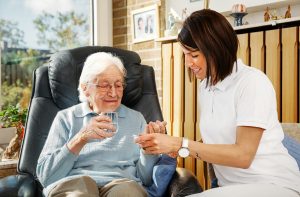
Family Caregiver Relief and Training
Sessions teach caregivers effective communication methods, ambient control suggestions, and calm approaches to ease family communication.
Coordinating with Other Senior Needs
Integrated combination with broader care—movement, drug management, diet, overall well-being—enhances complete support.
This integrated model restores psychological comfort and offers real-world framework to everyday routines. Explore on our in-home care programs.
Learn how companion help can improve your household dynamics—contact us today.
In-Home Hearing Care vs Traditional Clinic Approaches: Key Differences
Families examining choices for hearing loss support frequently compare traditional audiology services with home-centered care. The contrasts are substantial and influence both convenience and results.
Convenience and Accessibility Factors
In-home hearing care eliminates the need for getting out, appointment hassles, and clinic delays. (Yucca Valley Live-In Caregiver)
No Travel Required
Seniors remain in comfortable surroundings, lowering stress and mobility requirements.
Personalized Home Environment
Methods are adapted to the specific layout, lighting, and acoustics of the home.
Focus on Communication Over Devices
Home care places first behavioral adaptations and caregiver guidance over amplification technology.
Non-Medical Strategies
No fittings—emphasis continues on sustainable habits.
Cost and Time Savings
Versatile scheduling and lack of equipment costs frequently make home care more affordable in the long run.
Flexible Scheduling
Visits match with household schedules rather than rigid office hours.
Long-Term Outcomes and Satisfaction
Home-based support fosters higher participation, psychological bond, and sustained autonomy.
| Aspect | Traditional Clinic Approach | In-Home Hearing Care Approach |
|---|---|---|
| Location | Requires travel to office | Delivered 100% at home |
| Primary Focus | Hearing aids and fittings | Communication strategies and daily support |
| Device Involvement | Central | None |
| Mobility Requirement | High | Minimal to none |
| Family Involvement | Limited | Active training and workshops |
| Timeline for Noticeable Improvement | Weeks to months | Days to weeks |
These differences illustrate why many Coachella Valley families prefer residence-centered care. Learn about our in-home elderly assistance.
Real Stories: How Families in Coachella Valley Have Benefited
Area families experience tangible shifts through consistent, compassionate support.
Testimonials from Local Families
“My father in Indian Wells began to smiling during family dinners again. The assistant’s understanding and proven methods made all the impact.” — Maria R., Indian Wells.
“Mom in La Quinta was withdrawing from conversations. After a short time of starting support, she was enjoying and sharing memories once more. Remarkable.” — David L., La Quinta.
“Our Rancho Mirage grandmother felt safe and included. The group’s compassionate style reclaimed her self-assurance and our reassurance.” — Susan T., Rancho Mirage.
Measurable Improvements in Daily Life
Families share reduced confusions, increased participation in group interactions, lowered stress, and stronger emotional bonds. These results demonstrate the power of tailored, in-home assistance.
These genuine benefits illustrate what’s attainable with dedicated support. View more experiences on our client feedback section.
Common Concerns About In-Home Hearing Care and How They Are Addressed
Families naturally have doubts when thinking about in-home support. Here are the common worries and clear answers.
Is It Expensive or Time-Consuming?
Hourly rates typically range from $30–$45 for non-medical care in the region. Versatile arrangements—part-time, full-time, or respite—matches most financial situations and lifestyles without binding contracts. Understand our cost structure.
Will It Feel Intrusive?
Caregivers are educated to value personal space and home privacy, focusing on companionship rather than supervision. Households define limits from day one. Discover how we prioritize dignity.
What If We Already Tried Other Options?
This approach works alongside earlier attempts—if devices, therapy, or alternative support—without overlap. It covers conversation and psychological needs that devices by themselves is unable to address. Learn about seamless integration.
How Do We Know It Will Work for Our Loved One?
All plan is tailored post an starting consultation. A comfort assurance guarantees changes up to the point the fit is perfect. See our client matching system.
Handling these questions transparently builds confidence in the method. Contact us to explore your unique circumstances.
Areas We Serve Throughout Coachella Valley California
Area-specific availability guarantees prompt, personalized support in the area.
Cities Covered Near the I-10 Freeway
We confidently assist Indian Wells, Rancho Mirage, Thousand Palms, Indio, Palm Desert, La Quinta, Cathedral City, Coachella, Palm Springs, North Palm Springs, Desert Hot Springs, and nearby areas.
Local In-Home Hearing Care Experts Near You
Innovative Senior Care, 77564 Country Club Dr Ste 228/230, Palm Desert, CA 92211, (760) 469-4999.
Closeness and area expertise allow us to provide service rapidly and comprehend local requirements. View our service locations.
Frequently Asked Questions About In-Home Hearing Care
What is in-home hearing care for seniors?
In-home hearing care delivers non-medical guidance to help seniors address hearing loss through enhanced communication and daily routines. Caregivers instruct direct interaction methods, ambient control, and non-verbal signals. It encourages independence and connection at home. Families benefit from fewer miscommunications and stronger relationships. This method works well for those avoiding equipment or clinic visits. Explore our senior care services. (112 words)
How does hearing loss affect communication at home?
Hearing loss distorts speech, particularly high pitches. Ambient sounds overwhelms. Seniors struggle to follow, commonly leading to shorter talks. Families re-explain themselves, creating strain. Emotional withdrawal follows. Communication help at home rebuilds ease through focused adjustments. Learn companionship strategies. (98 words)
Is in-home hearing care different from hearing aids?
Yes—in-home hearing care concentrates on caregiver-led techniques and companionship, not sound boosting. Hearing aids deliver sound boosting via expert adjustments. This non-medical option steers clear of device sales. A great number of families use together both for comprehensive support. See complementary care. (98 words)
What services help with hearing loss at home?
Assistance encompass conversation coaching, environmental tweaks, wellness monitoring, and social activity planning. Caregivers combine sound perception knowledge into routines. Family workshops strengthen group abilities. Mobility and security components merge seamlessly. Results feature greater assurance and participation. Learn about daily assistance. (112 words)
How soon can I see improvements?
Many families notice clearer exchanges and less irritation quickly. Regular use speeds up improvement. Customized strategies accelerate outcomes. Continued support preserves gains. Involvement and emotional state increase noticeably. Start quickly with us. (98 words)
Do you serve Coachella Valley areas?
Yes—coverage covers Indian Wells, Rancho Mirage, Thousand Palms, Indio, Palm Desert, La Quinta, Cathedral City, Coachella, Palm Springs, North Palm Springs, Desert Hot Springs close to the I-10 Freeway. Area support guarantees accessibility and promptness. Explore coverage areas. (78 words)
How to help a senior with hearing loss at home?
Position yourself eye-to-eye in good light. Talk clearly without raising voice. Reduce background noise. Use hand signals. Practice daily. Support advice improves techniques. Household support boosts benefits and fosters harmony. Explore elderly home care. (98 words)
What causes hearing loss in elderly at home?
Age-related hearing loss stems from cochlear deterioration over time. Long-term noise exposure and wellness factors contribute. Residential sound environment often increase the problem. Prompt assistance prevents progression. See home modification tips. (88 words)
Best ways to communicate with hearing impaired senior?
Maintain visual connection, enunciate normally, reduce noise. Brief phrases help. Hand signals reinforce. Patience invites communication. Notepads supplement when useful. These build confidence and mutual understanding. Learn emotional support techniques. (92 words)
Prevent social isolation from hearing loss at home?
Promote consistent activities with face-to-face settings. Arrange peaceful talks. Assistants facilitate interaction. Emotional encouragement fights withdrawal. Regular participation preserves connections and engagement. Discover family care strategies. (88 words)
We Can Help! Contact Us Today
The worry of losing closeness with a loved one is powerful. Observing a parent or spouse pull back from talks generates deep concern. Affection for family inspires the quest for answers that restore connection and belonging. Relief arrives when conversation becomes easy again. Hope returns as independence and joy reappear. Confidence develops from consistent, understanding assistance that really appreciates.
Logically, in-home hearing care delivers exceptional convenience—zero commuting, without equipment, flexible scheduling. It delivers complete , non-medical assistance customized to real life. Benefits are reliable and observable: clearer communication, reduced hazards, stronger emotional bonds.
Innovative Senior Care delivers this experience to Coachella Valley families. With over 15 years of focused service, our experienced caregivers offer outcomes guaranteed by a comfort assurance. Located at 77564 Country Club Dr Ste 228/230, Palm Desert, CA 92211, we assist the entire region. Call (760) 469-4999 to get started.
If you’re seeking trusted in-home hearing care and hearing loss assistance at home. Yucca Valley Live-In Caregiver, Innovative Senior Care is here to help. Our staff excels in communication support, protection, and social engagement that rebuilds closeness. Whether you’re an adult child organizing care, a spouse supporting daily life, or a family looking for tranquility, we’ve supported countless seniors with compassion and knowledge. Free initial discussion available. With demonstrated experience and a results promise, we guarantee your loved one remains involved, secure, and valued. Let us support build your family’s time with confidence!
Call (760) 469-4999 today for your complimentary consultation. Reclaim joyful, effortless conversations—your loved ones deserve every moment.
Innovative Senior Care
Address: 77564 Country Club Dr Ste 228/230 Palm Desert, CA 92211Phone: (760) 469-4999
Email: [email protected]
Innovative Senior Care
Senior Caregiver Yucca Valley, CA
Senior Caregiver Yucca Valley, CA
In Home Care Yucca Valley, CA
Home Companion Yucca Valley, CA
At Home Healthcare Yucca Valley, CA
Home Health Agency Yucca Valley, CA
Care Providers Yucca Valley, CA
Home Care For Elderly Yucca Valley, CA
Home Care For Elderly Yucca Valley, CA
Care Companies Yucca Valley, CA
In Home Health Care Yucca Valley, CA
In Home Care Yucca Valley, CA
Live In Care Yucca Valley, CA
In Home Care Yucca Valley, CA
Home Companion Yucca Valley, CA
Caregiver Services Yucca Valley, CA
Senior Caregiver Yucca Valley, CA
Services For The Elderly Yucca Valley, CA
In Home Health Care Yucca Valley, CA
Home Health Agency Yucca Valley, CA
Home Care For Elderly Yucca Valley, CA
Aged Care Services Yucca Valley, CA
Home Health Care Yucca Valley, CA
Home Health Care Yucca Valley, CA
Home Companion Yucca Valley, CA
Home Care For Elderly Yucca Valley, CA
Senior Caregiver Yucca Valley, CA
Family Caregiver Yucca Valley, CA
Live-In Caregiver Yucca Valley, CA
Caregiver Services Yucca Valley, CA
Home Health Aides Near Me Yucca Valley, CA
Services For The Elderly Yucca Valley, CA
Senior Caregiver Yucca Valley, CA
Home Health Care Business Yucca Valley, CA
Care Companies Yucca Valley, CA
Domiciliary Care Yucca Valley, CA
Elder Care Yucca Valley, CA
Family Caregiver Yucca Valley, CA
Caregiver Agency Yucca Valley, CA
Home Health Care Yucca Valley, CA
Home Companion Yucca Valley, CA
Domiciliary Care Yucca Valley, CA
Domiciliary Care Yucca Valley, CA
Live-In Caregiver Yucca Valley, CA
Elder Care Yucca Valley, CA
Senior Caregiver Yucca Valley, CA
At Home Healthcare Yucca Valley, CA
Home Health Care Service Yucca Valley, CA
Find A Good Seo For Small Business Yucca Valley, CA
Find A Good Seo For Law Firms Yucca Valley, CA
Innovative Senior Care
Elder Care Yucca Valley, CA
Care Providers Yucca Valley, CA

Table of Contents
- – Innovative Senior Care
- – What Is In-Home Hearing Care and How Does It H...
- – Understanding Age-Related Hearing Loss (Presb...
- – Common Signs in Daily Routines
- – Why Communication Breaks Down at Home
- – Non-Medical vs Device-Focused Approaches
- – Benefits of Caregiver-Led Support
- – Who Benefits Most from At-Home Assistance
- – How Does Hearing Loss Impact Daily Communicati...
- – Emotional Effects Like Isolation and Frustration
- – Links to Social Withdrawal
- – Impact on Family Dynamics
- – Practical Challenges in the Home Environment
- – Missing Alarms, Phones, or Conversations
- – Long-Term Risks if Untreated
- – What Are Effective Communication Strategies fo...
- – Face-to-Face Techniques and Visual Cues
- – Positioning and Lighting Tips
- – Clear Speech Without Shouting
- – Reducing Background Noise for Better Clarity
- – Home Environment Adjustments
- – Using Gestures and Written Aids
- – Technology-Free Tools That Work
- – Daily Practice Routines for Consistency
- – How Can In-Home Hearing Care Improve Home Safe...
- – Addressing Missed Auditory Cues
- – Door Bells, Smoke Alarms, and Emergency Calls
- – Fall Prevention Through Awareness
- – Integrating Wellness Checks and Mobility Support
- – Daily Safety Monitoring
- – Home Modification Ideas Without Major Changes
- – What Role Do Caregivers Play in Supporting Hea...
- – Personalized Daily Living Assistance
- – Companionship During Conversations
- – Medication and Routine Reminders
- – Emotional and Social Engagement Support
- – Preventing Loneliness Through Activities
- – Family Caregiver Relief and Training
- – Coordinating with Other Senior Needs
- – In-Home Hearing Care vs Traditional Clinic App...
- – Convenience and Accessibility Factors
- – No Travel Required
- – Personalized Home Environment
- – Focus on Communication Over Devices
- – Non-Medical Strategies
- – Cost and Time Savings
- – Flexible Scheduling
- – Long-Term Outcomes and Satisfaction
- – Real Stories: How Families in Coachella Valley...
- – Testimonials from Local Families
- – Measurable Improvements in Daily Life
- – Common Concerns About In-Home Hearing Care and...
- – Is It Expensive or Time-Consuming?
- – Will It Feel Intrusive?
- – What If We Already Tried Other Options?
- – How Do We Know It Will Work for Our Loved One?
- – Areas We Serve Throughout Coachella Valley Cal...
- – Cities Covered Near the I-10 Freeway
- – Local In-Home Hearing Care Experts Near You
- – Frequently Asked Questions About In-Home Heari...
- – What is in-home hearing care for seniors?
- – How does hearing loss affect communication at...
- – Is in-home hearing care different from hearin...
- – What services help with hearing loss at home?
- – How soon can I see improvements?
- – Do you serve Coachella Valley areas?
- – How to help a senior with hearing loss at home?
- – What causes hearing loss in elderly at home?
- – Best ways to communicate with hearing impaire...
- – Prevent social isolation from hearing loss at...
- – We Can Help! Contact Us Today
- – Innovative Senior Care
Latest Posts
San Dimas Web Designers
Web Design Firm Walnut
Internet Marketing For Contractors West Covina
More
Latest Posts
San Dimas Web Designers
Web Design Firm Walnut
Internet Marketing For Contractors West Covina